Leadership changes at conservation organizations rarely make travel headlines. This one did. On March 21, 2026, the Lewa Wildlife Conservancy board announced that Rob Macaire would become the sanctuary’s new chief executive, effective June 1, 2026. He succeeds Mike Watson, who built Lewa into one of Africa’s most closely watched rhino strongholds over a 15-year tenure. Touring Insights breaks down who is taking over, why the appointment has stirred debate in Kenya, and what any of it actually changes for travelers planning a visit to one of Meru County’s flagship conservancies.
What Changed at Lewa Wildlife Conservancy
Watson is not leaving overnight. He stays on through August 1, 2026, to hand over programs, donor relationships, and field operations to Macaire. That overlap matters for a conservancy that runs anti-poaching patrols, a rhino monitoring program, and community partnerships across a landscape shared with pastoralist neighbors. Lewa’s board framed the transition around three priorities going forward: securing a long-term financial endowment, deepening community agency in conservation decisions, and strengthening the conservancy’s position as a leader in field-level conservation operations. None of those goals is new. What is new is who will be accountable for them.
Who Is Rob Macaire
Macaire is a British national and Oxford University graduate. Kenyans may recognize his name from an earlier chapter of his career. He served as British High Commissioner to Kenya between 2008 and 2011, a posting that put him in regular contact with Kenyan government and civil society figures. After his diplomatic career, he moved into the private sector, taking on political risk roles at BG Group and later at mining company Rio Tinto. Conservation leadership is a different track for him, and that shift is part of what has made the appointment a talking point well beyond Lewa’s usual donor circles.
Lewa’s board has pointed to his fundraising network and his experience negotiating with governments and communities as reasons for the hire. Those skills matter as much as a conservation science background, the board argues, for an organization that depends on donor endowments and cross-border relationships with pastoralist neighbors. Critics counter that a conservancy built on a community-partnership pitch needed a leader with deeper on-the-ground conservation credentials, or at least a Kenyan national in the top seat. Both views have circulated in the Kenyan press since the March announcement, and neither has settled the question definitively.
Mike Watson’s 15 Years at the Helm
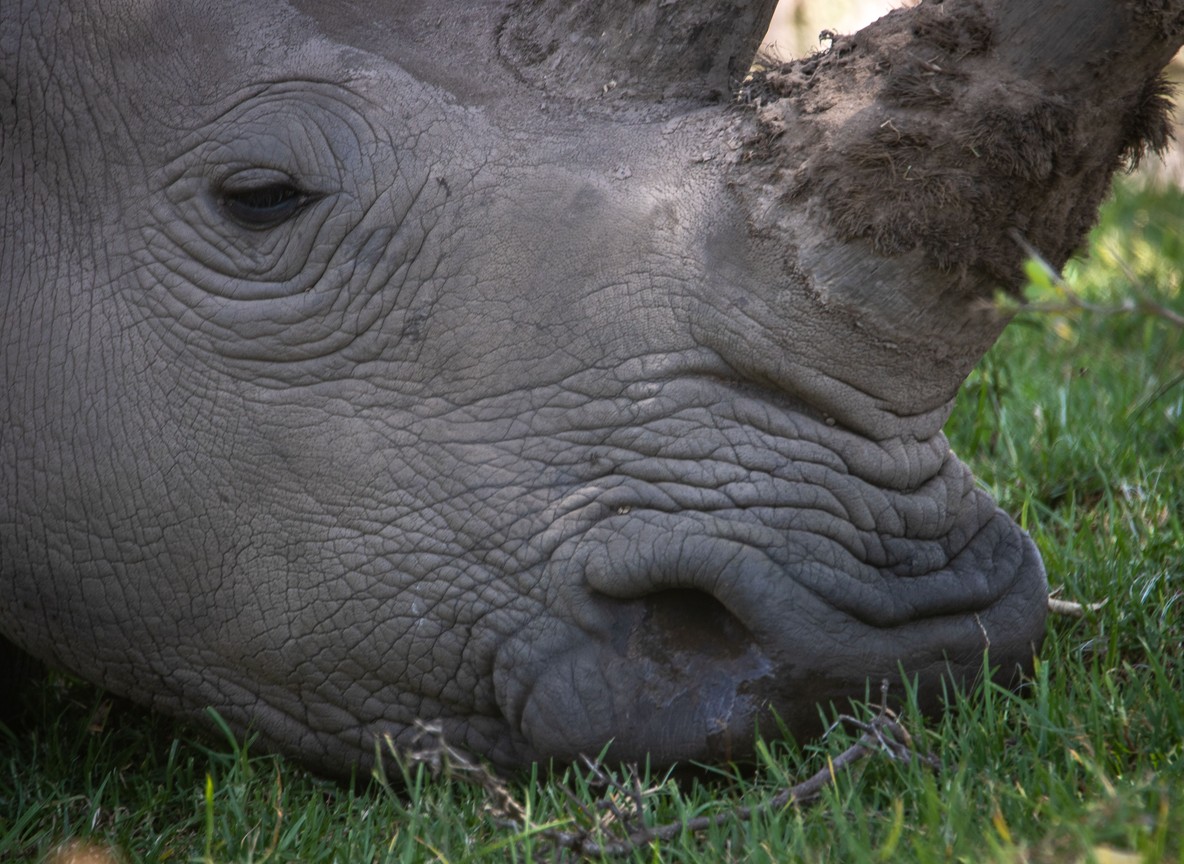
Watson took over Lewa during a period when black rhino numbers across Kenya were still recovering from decades of poaching losses. Under his tenure, the conservancy became a reference point for anti-poaching technique, ranger training, and community-inclusive conservation models copied elsewhere in East Africa. Lewa has not lost a single rhino to poachers since December 2019, a record Watson’s supporters point to often. His departure closes out one of the longest single leadership runs at any major Kenyan conservancy, and it leaves genuinely large shoes to fill.
Why the Appointment Has Sparked Debate
Not everyone welcomed the news quietly. Kenyan commentators and a group of Maasai youth publicly questioned the board’s decision to select a former British diplomat over Kenyan candidates, especially at a conservancy that markets itself on community partnership. Opinion pieces in Kenyan outlets framed the debate around a broader question: who should lead African conservation institutions, and does a career built partly in extractive industries like mining fit a rhino sanctuary’s mission. Lewa’s board has not walked back the appointment, and Macaire is still due to start on schedule. Travelers will not see this debate on a game drive, but it is worth knowing the backdrop if a guide or camp host brings it up.
Lewa’s Conservation Record, By the Numbers
Whoever runs Lewa inherits a conservancy with a specific, well-documented track record. The table below lays out the figures that matter most for understanding what is at stake.
| Metric | Figure |
|---|---|
| Conservancy size | 62,000 acres (approx. 250 km2) |
| Location | Meru County, northern Kenya |
| Share of Kenya’s rhino population protected | approx. 14 percent |
| Rhinos lost to poaching since Dec 2019 | zero |
| Grevy’s zebra population | approx. 350, the largest single population worldwide |
| World Heritage status | UNESCO extension of the Mount Kenya World Heritage Site |
| Outgoing CEO tenure | Mike Watson, 15 years (2011-2026) |
| Incoming CEO start date | Rob Macaire, June 1, 2026 |
Lewa’s Place in a Larger Conservation Landscape
Lewa does not manage its rhinos in isolation. In 2013, Lewa and the neighboring Borana Conservancy removed the fence dividing them, joining the two properties into the Lewa-Borana Landscape, a continuous 93,000-acre range. That single decision created the largest private rhino sanctuary in Kenya and let rhinos move between what used to be two separate, fenced populations. The combined landscape now supports more than 250 black and white rhinos, with birth rates that have topped 9 percent in strong years. Whoever leads Lewa also carries responsibility for that partnership, since decisions about fencing, grazing, and joint patrols get made jointly with Borana’s own management team. It is a detail worth knowing if a guide mentions crossing from Lewa into Borana territory mid-drive, since guests sometimes assume it is still one continuous conservancy rather than two working in concert.
What Leadership Continuity Means for Rhino Conservation
A rhino sanctuary’s success rests on unglamorous, daily work: ranger patrol schedules, veterinary response times, fence maintenance, and relationships with neighboring group ranches. Those systems do not reset the day a new CEO’s contract starts. Macaire inherits a functioning operation, not a rebuild. The real test comes later, when funding decisions, community land negotiations, or a poaching attempt require a judgment call only the top office can make. For now, Lewa’s rangers, vets, and monitoring teams continue their routines unchanged, and the conservancy’s zero-poaching streak remains the number every future CEO will be measured against.
Planning a Visit: Getting to Lewa and What It Costs
Leadership news aside, Lewa remains one of the more accessible rhino destinations in northern Kenya. Most visitors fly, though the road route is workable for those combining Lewa with a Laikipia or Mount Kenya circuit.
| Route or fee | Detail |
|---|---|
| Nairobi to Lewa by road | approx. 260 km via the Nanyuki-Isiolo highway, 4.5-5 hours |
| Nairobi (Wilson Airport) to Lewa Downs airstrip by air | daily scheduled flights, approx. 45-60 minutes |
| Nanyuki to Lewa by road | under 90 km, roughly 2 hours |
| Non-resident conservation fee, day visit | indicative USD 190-200 per person |
| Non-resident conservation fee, overnight | indicative USD 120-130 per person per night |
| Named camps inside the conservancy | Lewa Safari Camp, Lewa Wilderness, Lewa House, Kifaru House, Sirikoi |
Explorer Notes
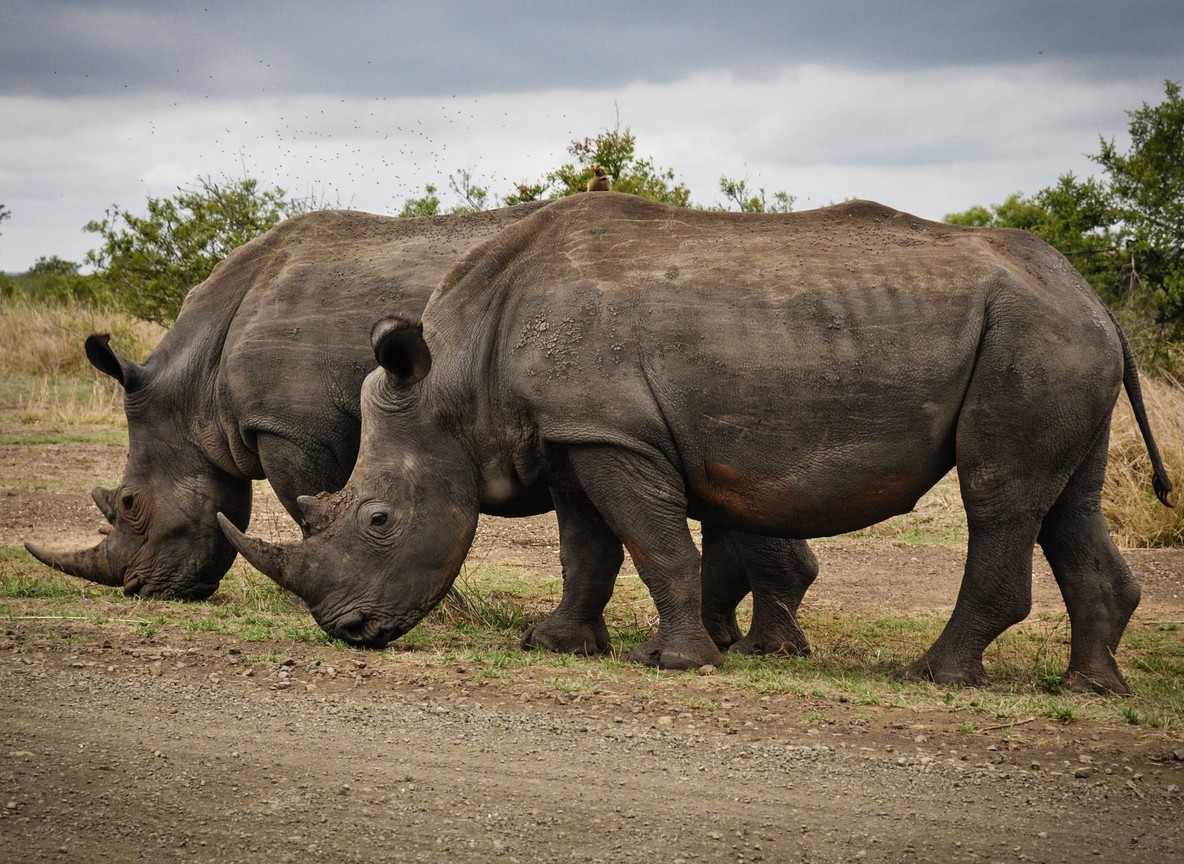
Ask your camp host which team briefed guests that week. Lewa’s rangers and researchers regularly join sundowners or breakfast talks, and a leadership change like this one often comes up in those informal conversations. It is a good way to hear the on-the-ground view rather than the press release version. If black rhino tracking is your priority, request a game drive with a dedicated rhino-monitoring vehicle rather than a general circuit. Lewa’s guides know individual rhinos by name and history, and that detail rarely comes through on a standard drive. Travelers combining Lewa with Borana should ask their camp to confirm which activities cross the shared boundary, since some game drives and walking safaris move freely between the two properties while others stay within one conservancy’s traversing rights.
Frequently Asked Questions
Who is the new CEO of Lewa Wildlife Conservancy? Rob Macaire, a British national and former UK High Commissioner to Kenya, took over as CEO effective June 1, 2026.
Why did Mike Watson leave Lewa? Watson is retiring after 15 years as CEO. He remains involved through August 1, 2026, to support the handover.
Has the appointment affected safari operations at Lewa? No. Ranger patrols, monitoring programs, and lodge bookings continue as normal during the transition.
Why has the CEO appointment been controversial? Some Kenyan commentators and youth groups questioned the board’s choice of a foreign candidate over Kenyan applicants, given Lewa’s community-conservation branding.
Is Lewa still safe to visit given the poaching risk? Yes. Lewa has recorded zero rhino poaching incidents since December 2019, and security operations are unaffected by the leadership change.
What to Read Next
- Curious how Lewa fits into Kenya’s wider rhino strategy? Read Kenya’s Black Rhino Population Target: What the 2026 Midterm Review Shows.
- Weighing Lewa against its Laikipia neighbor? See Ol Pejeta vs Lewa Conservancy.
- Planning logistics for a northern Kenya circuit? Check Laikipia Conservancies Compared: Ol Pejeta, Lewa, Borana, and Loisaba.
A CEO transition is a governance story, not a reason to change your itinerary. Lewa’s rangers, vets, and rhino monitors are still on the ground doing the work that keeps this record intact. If a rhino-focused stop in Meru County is on your list, visit our Tour Packages page for itinerary options built around Lewa and its Laikipia neighbors, or ask a partner operator how to slot it into your dates this year.
Further reading
More safari planning resources
- Ol Pejeta and Sweetwaters safari package from Valley Safaris
- Is Kenya safe to visit? on Touring Insights
- Big Five safari collection on FindMySafari
- Nairobi to Maasai Mara route guide from Valley Safaris
Related guides: Ethical Wildlife Encounters vs Standard Safari: What the Difference Really Means, Ol Pejeta Conservancy: Where Conservation and Wildlife Meet on Kenya’s Laikipia Plateau.